Vedic Gemstone Therapy: The Science of the Nine Gems
The Navaratna system links nine gems to nine planets. But wearing the wrong stone can amplify the wrong energy. Here's what the classical texts actually say.
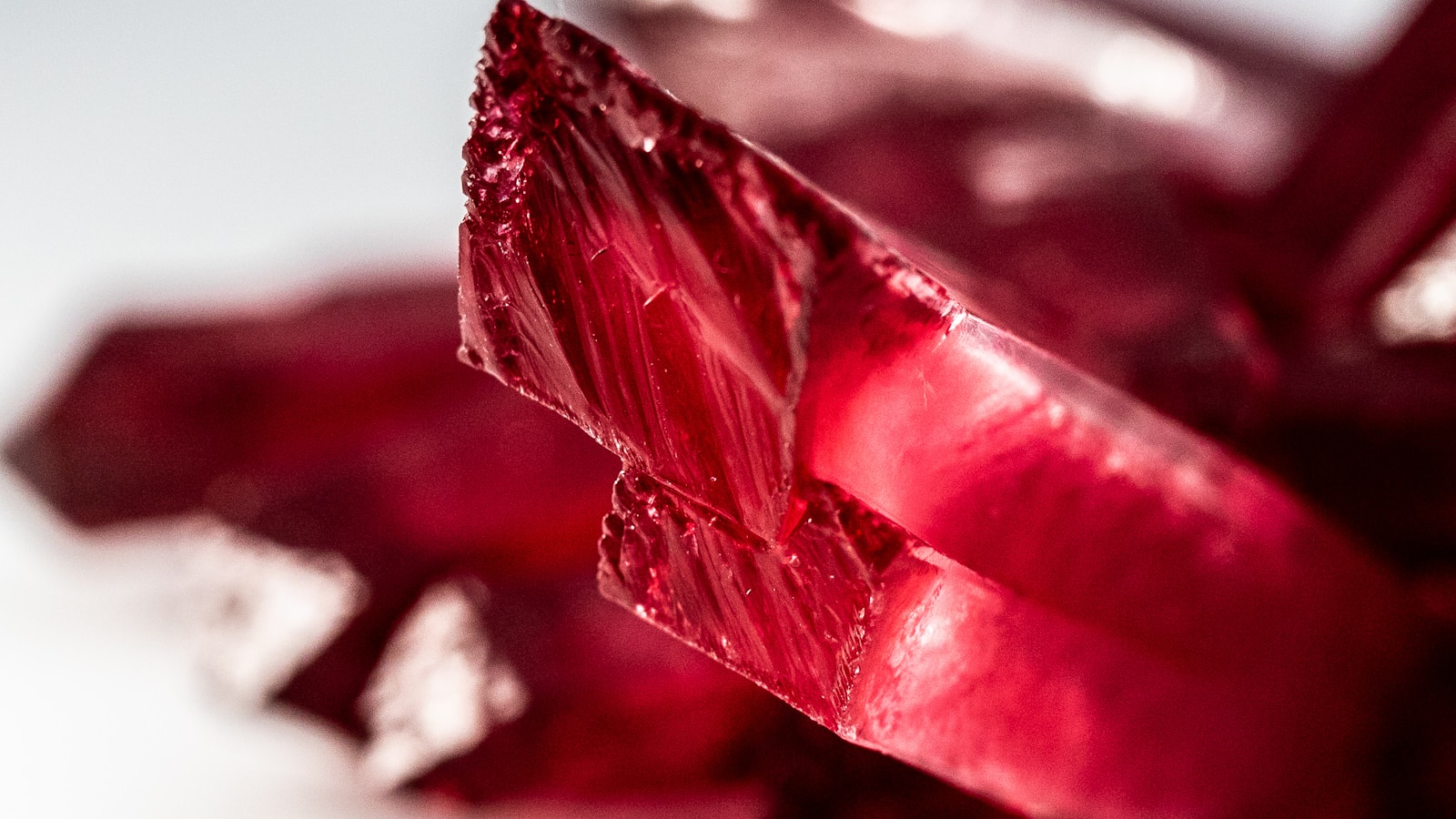
Vedic Gemstone Therapy: The Science of the Nine Gems
Walk into any astrologer’s office in India and you will likely leave with a gemstone recommendation. Ruby for the Sun, pearl for the Moon, blue sapphire for Saturn — the prescriptions flow freely. But the classical tradition of gem therapy (Ratna Shastra) is far more nuanced than “wear the stone of your weak planet.”
In fact, wearing the wrong gemstone can be actively harmful. As the Tantra Sara states, the human body is an “island of nine gems” — the Navaratna (nah-vah-RAHT-nah) — and each gem interacts with the body’s own electromagnetic field. Getting this interaction wrong doesn’t just waste money. It amplifies the wrong planetary energy.
The Nine Gems and Their Planets
The Navaratna system maps one gemstone to each of the nine Vedic planets (Navagraha):
| Planet | Gemstone | Sanskrit Name | Nature | Metal |
|---|---|---|---|---|
| Sun (Surya) | Ruby | Manik | Transparent | Gold |
| Moon (Chandra) | Pearl | Moti | Opaque | Gold |
| Mars (Mangal) | Red Coral | Moonga | Opaque | Copper |
| Mercury (Budha) | Emerald | Panna | Transparent | Silver |
| Jupiter (Guru) | Yellow Sapphire | Pukhraj | Transparent | Gold |
| Venus (Shukra) | Diamond | Heera | Transparent | Silver |
| Saturn (Shani) | Blue Sapphire | Neelam | Transparent | Iron/Silver |
| Rahu | Hessonite | Gomed | Opaque | Silver |
| Ketu | Cat’s Eye | Lahsuniya | Opaque | Silver |
Notice the Nature column. This distinction between transparent and opaque gems is not cosmetic — it is the foundation of how gem therapy works in the Nadi system of astrology.
Transparent vs. Opaque: The Core Principle
The Nadi tradition, as articulated by practitioners like Satyanarayana Naik, divides gems into two functional groups based on their optical properties:
Transparent gems (Ruby, Emerald, Yellow Sapphire, Diamond, Blue Sapphire) absorb planetary rays. Wearing a transparent gem strengthens the energy of its corresponding planet — for better or worse. If that planet is well-placed in your chart, the gem amplifies positive results. If the planet is afflicted, you are amplifying the affliction.
Opaque gems (Pearl, Red Coral, Hessonite, Cat’s Eye) reflect planetary rays back. They act as shields, blocking negative influences rather than strengthening positive ones.
graph LR
    subgraph "Transparent Gems → Absorb & Amplify"
        R["Ruby (Sun)"]
        E["Emerald (Mercury)"]
        YS["Yellow Sapphire (Jupiter)"]
        D["Diamond (Venus)"]
        BS["Blue Sapphire (Saturn)"]
    end
    subgraph "Opaque Gems → Reflect & Shield"
        P["Pearl (Moon)"]
        RC["Red Coral (Mars)"]
        H["Hessonite (Rahu)"]
        CE["Cat's Eye (Ketu)"]
    end
This explains why the Nadi system recommends wearing opaque gems of malefic or afflicting planets — you are reflecting their negative energy away from you. And it explains why transparent gems should only be worn for well-placed, beneficial planets — you are inviting more of their energy in.
The Palmistry Connection
The classical tradition connects gemstones to specific fingers, each ruled by a planet:
- Ring finger → Sun (Ruby)
- Little finger → Mercury (Emerald)
- Index finger → Jupiter (Yellow Sapphire)
- Middle finger → Saturn (Blue Sapphire)
- Thumb → Venus (Diamond) — though in practice, diamond is worn on the ring or little finger
There is also a left-right distinction. The right hand is solar, the left hand is lunar. For balance:
- Gems of Sun, Mars, Saturn, Rahu, and Ketu are traditionally worn on the left hand (solar gems on the lunar hand)
- Gems of Moon, Mercury, Venus, and Jupiter are worn on the right hand (lunar gems on the solar hand)
Common Mistakes in Gem Selection
The biggest source of confusion in Vedic gem therapy comes from competing schools of thought. As the Nadi texts acknowledge, there are at least ten different methods for selecting gems, and two astrologers can give directly contradictory advice.
Here are the most common errors:
1. Wearing the gem of a badly placed planet
The most dangerous mistake. If Saturn is causing you difficulty in your chart, wearing a blue sapphire — a transparent stone that amplifies Saturn’s energy — can intensify the very problems you are trying to solve. The Nadi approach would instead recommend an opaque gem like hessonite (for Rahu, if Rahu is the obstructing force) to deflect the negative energy.
2. Wearing gems permanently without need
Gems are interventions, not accessories. The Nadi tradition is clear: “Once the transit period is over, there is no necessity of wearing that gem again.” Permanent wear is only recommended when Saturn or Jupiter is chronically afflicted in the birth chart — and even then, only after deep analysis.
3. Selecting gems based solely on Moon sign
Many popular websites suggest gemstones based on your Rashi (Moon sign) alone. But as classical texts warn: “To wear a gem is to add the energy of the planet related to the gem, and if the planet is badly aspected it will only add to one’s problems.”
4. Ignoring the timing of first wear
The gem should be worn for the first time on the weekday of the ruling planet, ideally during that planet’s Hora (planetary hour), within 20 minutes of sunrise. The gem should be purified with sandalwood water, then Panchagavya (five products of the cow), then pure water, before performing a puja.
The Remedial Hierarchy
Gemstones are only one level of Vedic remedial measures. The classical texts rank remedies by power:
- Homa (fire ritual) — most powerful
- Japa (mantra recitation) — daily practice of at least 108 repetitions
- Puja (worship) — directed at the planet’s ruling deity
- Dana (charitable giving) — offering the planet’s associated grain or item
- Yantra (sacred geometric diagram) — protective talismans
- Ratna Dharana (gemstone wearing) — the lightest intervention
Gemstones sit at the bottom of this hierarchy — they are the simplest and most accessible remedy, but not the most powerful. The Nadi tradition recommends starting with prayer to Lord Ganesha using the Gayatri mantra before any planetary remedy, as removing obstacles is the prerequisite for all other spiritual work.
A Practical Approach
If you are considering Vedic gemstone therapy:
-
Get a proper chart analysis first. Identify which planets are your functional benefics and which are causing obstruction. This requires looking at house lordships, not just natural benefic/malefic status.
-
Understand the difference between strengthening and shielding. Do you need to amplify a well-placed planet (transparent gem) or deflect a malefic influence (opaque gem)?
-
Consider the dasha period. A gem that helps during one dasha may be unnecessary or harmful during another. The remedy should match the current planetary period.
-
Don’t neglect other remedies. A daily mantra practice (Japa) of the afflicted planet’s beej mantra, done consistently, can be more effective than any gemstone — and costs nothing.
-
Minimum 4 carats. If you do wear a gem, the Nadi tradition recommends at least 4 carats for effectiveness. The stone need not be expensive — a good quality coral or pearl at a modest price will work as well as a flawless one.
The goal of Vedic gem therapy is not to override karma. As the classical texts state plainly: “Remedial measures cannot change destiny.” What they can do is re-establish your connection with your inner self — clearing the interference of negative planetary transits so that your conscious mind can act in alignment with your life’s purpose.