The 9 Grahas: Celestial Forces
The nine celestial bodies of Vedic astrology — Sun, Moon, Mars, Mercury, Jupiter, Venus, Saturn, Rahu, and Ketu. What they represent, how they shape your chart, and why they matter.
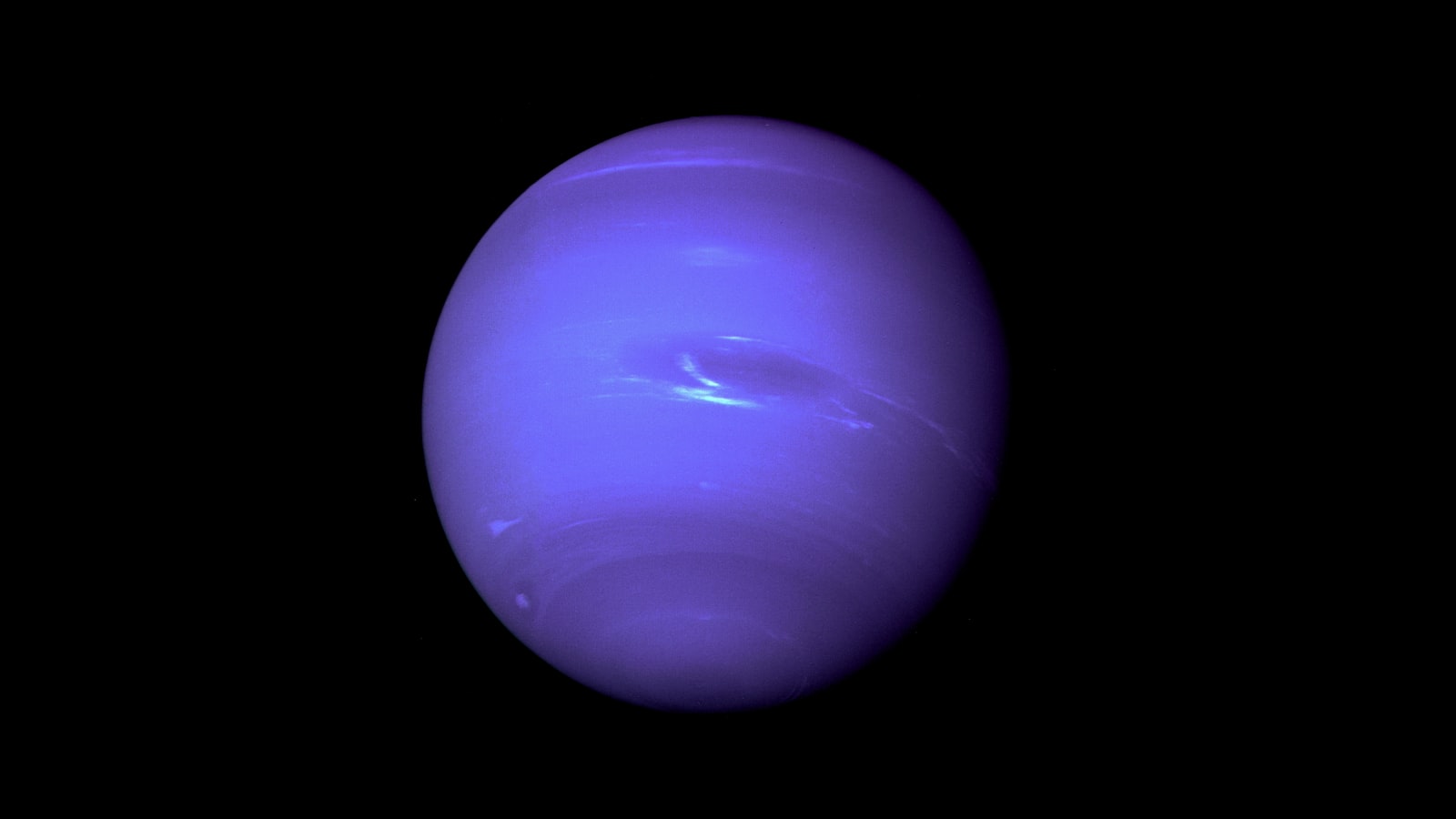
The 9 Grahas
In Vedic astrology, graha (GRAH-ha) literally means “that which seizes or grasps.” The nine grahas are not merely astronomical bodies — they are forces that shape the texture of experience. Every chart is a conversation between these nine forces, played out across signs, houses, and time.
The Navagraha at a Glance
| Graha | Sanskrit | Governs | Nature |
|---|---|---|---|
| Sun | Surya | Soul, authority, father, vitality | Malefic (krura) |
| Moon | Chandra | Mind, emotions, mother, nourishment | Benefic when waxing |
| Mars | Mangal | Energy, courage, siblings, property | Malefic |
| Mercury | Budha | Intelligence, speech, commerce, learning | Neutral (adapts) |
| Jupiter | Guru | Wisdom, expansion, children, fortune | Greatest benefic |
| Venus | Shukra | Beauty, love, marriage, arts, luxury | Benefic |
| Saturn | Shani | Discipline, time, karma, hard work | Greatest malefic |
| Rahu | Rahu | Obsession, illusion, foreign, ambition | Shadow malefic |
| Ketu | Ketu | Liberation, detachment, mysticism | Shadow malefic |
The Luminaries
Surya (Sun) represents the atma (soul), authority, father, government, and one’s sense of purpose. A strong Sun gives natural leadership and a clear sense of identity. A weak or afflicted Sun may indicate struggles with self-confidence or father-related themes. The Sun’s dasha period lasts 6 years in the Vimshottari system.
Chandra (Moon) governs the manas (mind), emotions, mother, nourishment, and mental peace. In Vedic astrology, the Moon’s placement is often considered as important as — or more important than — the Sun’s. Your Moon Nakshatra determines your entire Vimshottari Dasha timeline, making it the single most consequential placement for life timing.
The Inner Planets
Mangal (Mars) represents energy, courage, siblings, property, passion, and the capacity to take action. A well-placed Mars gives decisiveness and physical vitality. An afflicted Mars may manifest as anger, accidents, or conflicts. Mars is central to Mangal Dosha, one of the most commonly assessed chart factors in compatibility analysis.
Budha (Mercury) governs intelligence, speech, commerce, learning, and analytical thinking. It is the most adaptable graha — it takes on the qualities of whatever planet it associates with. When conjunct the Sun, it forms Budhaditya Yoga, one of the most common and beneficial planetary combinations.
The Great Benefic and the Great Malefic
Guru (Jupiter) is the guru among the grahas — the teacher, the guide, the expander. It represents wisdom, spirituality, higher learning, children, wealth, and good fortune. Jupiter is the greatest natural benefic, and its placement often indicates where life is most generous. Its transit through a sign lasts approximately one year, making Jupiter transits major yearly markers.
Shani (Saturn) is the planet of time, discipline, karma, hard work, suffering, and eventual mastery. It moves slowly and teaches through restriction and perseverance. Saturn’s transits — particularly Sade Sati, the 7.5-year Saturn transit over the natal Moon — are among the most significant timing events in Vedic astrology.
The Outer Benefic
Shukra (Venus) governs beauty, love, marriage, luxury, arts, and refined pleasures. It represents what we find beautiful and desirable. Venus also rules over diplomatic ability and creative expression. With a 20-year Vimshottari period (the longest of any graha), Venus dashas are often the most eventful stretches of life.
The Shadow Planets
Rahu and Ketu are not physical bodies — they are the north and south lunar nodes, the mathematical points where the Moon’s orbit intersects the ecliptic. Despite having no physical form, they are among the most powerful forces in a chart.
Rahu governs obsession, illusion, foreign elements, unconventional paths, and worldly ambition. It amplifies whatever it touches — for better or worse. Rahu’s 18-year dasha period is often a time of intense worldly engagement, ambition, and sometimes confusion about identity.
Ketu represents spiritual liberation, detachment, past-life karma, and mystical insight. Where Rahu is about worldly attachment, Ketu is about transcendence — but also confusion, loss, and dissolution of material certainties. Ketu’s 7-year dasha period often brings spiritual growth through letting go.
graph TD
    subgraph Benefics
        Guru["Guru — Jupiter<br/>Greatest Benefic"]
        Shukra["Shukra — Venus"]
        Chandra["Chandra — Moon<br/>When waxing"]
        Budha["Budha — Mercury<br/>When well-associated"]
    end
    subgraph Malefics
        Shani["Shani — Saturn<br/>Greatest Malefic"]
        Mangal["Mangal — Mars"]
        Surya["Surya — Sun"]
        Rahu["Rahu"]
        Ketu["Ketu"]
    end

    Guru ---|"Friends"| Surya
    Guru ---|"Friends"| Chandra
    Guru ---|"Friends"| Mangal
    Shani ---|"Enemies"| Surya
    Shani ---|"Enemies"| Chandra
    Shani ---|"Friends"| Shukra
    Shani ---|"Friends"| Budha
    Rahu ---|"Acts like"| Shani
    Ketu ---|"Acts like"| Mangal
How Grahas Shape Your Chart
Each graha occupies a specific rashi (sign), bhava (house), and nakshatra at the moment of your birth. These placements determine:
- Dignity: Is the graha in its own sign (strong), exalted (very strong), debilitated (weak), or in a friend/enemy’s sign?
- House influence: Which life domain does the graha most strongly affect?
- Aspects: What other grahas does it influence, and what influences it? Vedic aspects differ from Western — Mars, Jupiter, and Saturn have special aspects beyond the universal 7th-house aspect.
- Dasha activation: When does this graha become the primary timing influence in your life?
- Strength: Shadbala quantifies each planet’s strength across six dimensions.
Vedtara computes all of these for each of the nine grahas, building a complete picture of your chart’s planetary dynamics.
Explore Individual Grahas
- Surya (Sun) — The Soul: Detailed profile including dignity states, house placements, yogas, and remedies.
More individual graha profiles coming soon.
See also: The 12 Rashis to understand the signs the grahas occupy, and The 12 Bhavas to understand the houses they activate.